 Living in the Northeast means cold, wet, and sometimes unpredictable winter weather. Some years you’ll turn on the heat before Halloween, while others may have you using the AC until Thanksgiving! With the ongoing and ever-changing threat of snowfall throughout the season, it’s important to understand the impact that winter weather will have on your HVAC system. You probably have questions, such as “Should you cover your air conditioner in the winter?” and “How can you ensure your system works smoothly regardless of the weather?” Let’s explore some of the common questions homeowners have about how to best care for their HVAC system during fluctuating temperatures.
How Will Winter Conditions Affect Your Furnace?
Increased Workload: When the temperatures fall, your HVAC system has to work harder to maintain a comfortable temperature. This constant exertion puts extra stress on components like the compressor and coils, leading to potential wear and tear. Regular maintenance from a trusted HVAC contractor can keep your system in peak condition.
Ice and Snow Buildup: Accumulating snow and ice around the outdoor unit can obstruct airflow, reducing heat absorption and efficiency. This will lead to higher energy bills and make it hard to maintain a comfortable temperature. Keep your unit clear of snow and ensure proper drainage.
If your furnace exhausts out the side of your house with a curved PVC pipe, make sure snow and ice do not block that as well. This can result in carbon monoxide being forced back into the system and into your home. If your furnace shuts off, check the exhaust point first and clear by hand if possible.
Humidity Woes: Winter air might seem dry. That’s because colder air actually holds less moisture. This can lead to indoor dryness, making you crank up the thermostat for comfort. Investing in a humidifier can mitigate this issue and potentially even allow you to lower your thermostat setting, saving energy.
Frozen Pipes: Frozen pipes are a serious concern in the winter. Exposed or improperly insulated plumbing near your HVAC system can succumb to frigid temperatures, leading to potential leaks and expensive repairs. Ensure your pipes are properly insulated to avoid icy surprises and keep your thermostat set between 55 and 60 degrees at a minimum if you are going away this winter.
Should You Cover Your AC Unit in Winter?
The answer is a resounding NO!
Covering your AC unit in winter traps moisture, which creates a perfect environment for ice buildup. This can damage the condenser coils and other vital components. Instead, let your outdoor unit breathe! Keeping it clear of snow and debris is far more beneficial.
Winterproofing Your HVAC
It’s important to have an annual checkup before the cold weather sets in for the year. An experienced technician will be able to explain the best options for winterizing your unit.
- Schedule a Pre-Winter Checkup: A professional maintenance from Clay’s Climate Control can identify any potential issues and ensure your system is ready for winter’s workload.
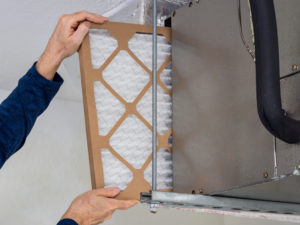
- Change Air Filters Regularly: Clogged filters restrict airflow, making your system work harder. Replace filters more frequently during winter to maintain optimal performance. One-inch filters should be changed every 3-4 months and 4-inch filters every 6-9 months.
- Seal Air Leaks: Drafty windows and doors let in cold air, forcing your HVAC to work harder. Sealing leaks can improve efficiency and keep your energy bills in check.
- Program Your Thermostat: Use a programmable thermostat to adjust temperatures when you’re away or asleep. This reduces unnecessary heating and saves energy.
Clay’s Climate Control: Your Winter HVAC Expert
Winter doesn’t have to chill your comfort or freeze your budget. Clay’s Climate Control’s expert HVAC contractors provide comprehensive services, from maintenance and repairs to installations and maintenance. We’ll help your system weather the winter with ease, ensuring your home remains a haven of warmth and comfort. Contact Clay’s Climate Control today to learn more about our AC unit services and how we can help you get ready for winter.
 In an era where environmental consciousness and energy efficiency are at the forefront of discussions, homeowners and businesses seek ways to contribute to a greener future while also saving on costs. One avenue that often goes unnoticed is the potential financial benefits tied to energy-efficient upgrades for HVAC systems. Below, we’ll dive into the intricacies of these tax credits, focusing on how you can save more with heating upgrades.
 As summer comes to an end, it’s time to start thinking about preparing your home for the colder weather ahead. One of the most important things you can do to prep your property for the cooler months is to make sure your HVAC system is in top shape and ready to keep you warm and cozy throughout the fall. Keep reading to learn some essential tips for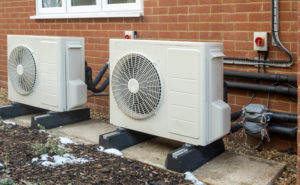
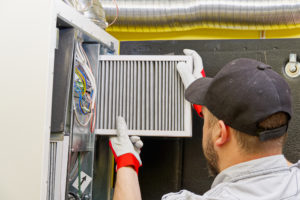 Life can be hectic! Juggling a job, kids, balancing a social life – with all that’s going on, it does not leave room to do anything else. However busy life may be, your home HVAC maintenance should not be neglected.
 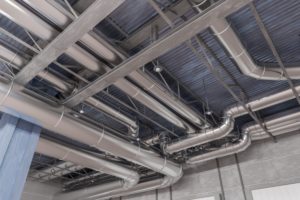 When having concerns about your home’s heating/cooling system, the first thing that comes to mind is your HVAC system, but more often than not, the problem lies within your ductwork. Each home is unique, and when it comes to ductwork, it needs to be installed to fit each home’s particular needs.
  The world of HVAC can be a bit confusing for homeowners. With words like evaporator coil and reciprocating compressor, how could you blame yourself? Understanding the basics of HVAC can greatly benefit you as a homeowner in many ways, from lower utility bills to a more comfortable home. To help you increase your HVAC knowledge, we collected a few of the most common
  As the transition from winter to spring begins, so does the switch from heating to air conditioning! To keep you cool and comfortable during the spring season, it’s important to clean and check your air conditioning unit for any debris and potential issues. Our experts have compiled a list of
 For many, it’s hard to prioritize an HVAC repair or installation when things like taxes, mortgages, and putting food on the table exist. However, having a safe and reliable HVAC system in your home doesn’t have to break the bank! These days, there are so many options available to help you save money on your next